
Nests That Create Exposure Risk All Summer
Wasp & Hornet Control in Waterloo for properties with active nests in eaves, soffits, or ground locations
Active wasp and hornet nests appear on Waterloo properties throughout summer as Iowa's warm temperatures and eaves architecture attract paper wasps and hornets that build attachment sites on structures and establish ground nests that peak in size and aggression by mid-summer. Enviro Pest Solutions safely removes nests and treats affected areas to eliminate re-colonization risk. You notice nest activity when wasps repeatedly enter and exit a single location, when aggressive behavior increases near doorways or outdoor spaces, or when ground nests create danger zones in landscaped areas where foot traffic occurs.
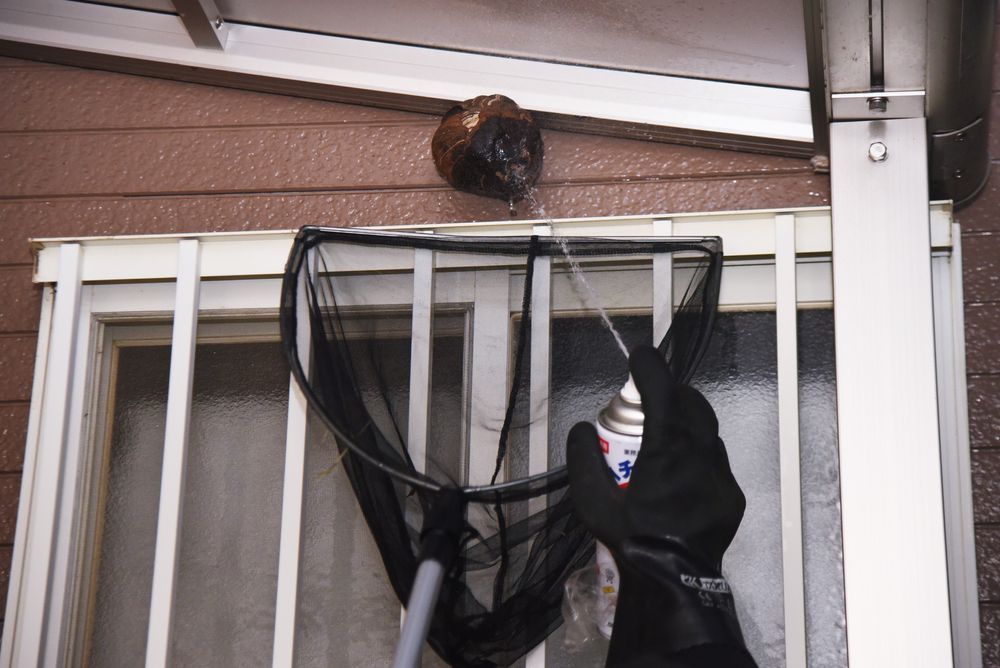
Inspection identifies nest location, species, and activity level before removal or chemical treatment is applied during low-activity periods in early morning or evening when colony members are inside the nest. Nest debris is removed after treatment, and the treated area is monitored to confirm that no re-colonization occurs at former attachment sites.
Arrange an on-site inspection to locate active nests and determine the safest removal timing based on species and placement.
What Timed Treatment Prevents During Removal
Timed treatment minimizes exposure risk by targeting nests when colony activity is lowest and members are concentrated inside the structure. Early morning or evening application ensures that treatment reaches the entire colony rather than scattering active wasps, which increases defensive behavior and prolongs the removal process. Nest removal eliminates future attachment sites, preventing the same location from being recolonized in subsequent seasons when scout wasps search for previous nest remnants.
After removal, you notice that wasp traffic stops entirely at the former nest location, aggressive behavior near the area disappears, and outdoor spaces become usable again without the risk of defensive stings. Ground nests no longer present danger zones in landscaped areas, and eaves or soffit nests no longer create entry risk near doors and windows where daily activity occurs.
The service includes species identification, timed treatment or removal, nest debris cleanup, and monitoring to confirm that re-colonization does not occur. Treatment does not include structural repairs to eaves or soffits that may have damage from nest attachment, though those conditions are noted if they increase future nest risk.
Answers to Frequent Service Questions
Nest removal timing and approach vary by species and location, so understanding what determines safe treatment helps property owners recognize when professional removal is necessary.
What determines whether a nest is removed or treated chemically?
Nest accessibility, species aggression level, and proximity to high-traffic areas determine whether physical removal or chemical treatment is safer and more effective for eliminating the colony.
How long does it take for wasp activity to stop after treatment?
Activity typically stops within hours as treatment reaches the colony, though monitoring continues for several days to confirm that no surviving members attempt to recolonize the site.
Why do ground nests in Waterloo become more aggressive mid-summer?
Ground nests reach peak colony size in July and August, increasing defensive behavior as more workers protect the nest and forage for food in surrounding areas.
What happens if nest debris is not removed after treatment?
Remaining nest debris can attract scout wasps in future seasons, as they search for previous colony sites and may attempt to build new nests on or near the old structure.
When is the best time to schedule nest removal in Waterloo?
Early summer removal prevents colonies from reaching peak size and aggression, though nests can be safely removed throughout the season during low-activity periods.
Enviro Pest Solutions removes wasp and hornet nests from Waterloo properties with timed treatment that minimizes exposure risk and prevents re-colonization. Contact our team at (319) 232-2915 to schedule nest inspection and safe removal based on current activity levels.