
Elimination Combined With Entry Point Sealing
Rodent Control & Exclusion in Waterloo for older buildings where foundation gaps and roof penetrations provide rodent harborage
Waterloo's older housing stock and commercial buildings provide rodent harborage through foundation cracks, roof eave gaps, and utility penetrations that allow seasonal re-infestation cycles when trapping eliminates current populations but entry points remain open. Exclusion work seals those pathways using durable materials that prevent re-entry during fall and winter when dropping temperatures push rodents indoors. Enviro Pest Solutions eliminates active rodent infestations and seals entry points identified during inspection, so you address both current activity and future vulnerability in a single intervention.
Trap placement targets active rodent pathways located during inspection by identifying droppings, gnaw marks, grease trails, and nesting materials. Exclusion seals foundation gaps, roof penetrations, and utility entry points using materials rodents cannot chew through, and removal with sanitation prevents residual odors that continue attracting pests after the population is eliminated.
Schedule a property inspection to locate active rodent pathways and identify all entry points requiring exclusion work.
What Proper Exclusion Requires
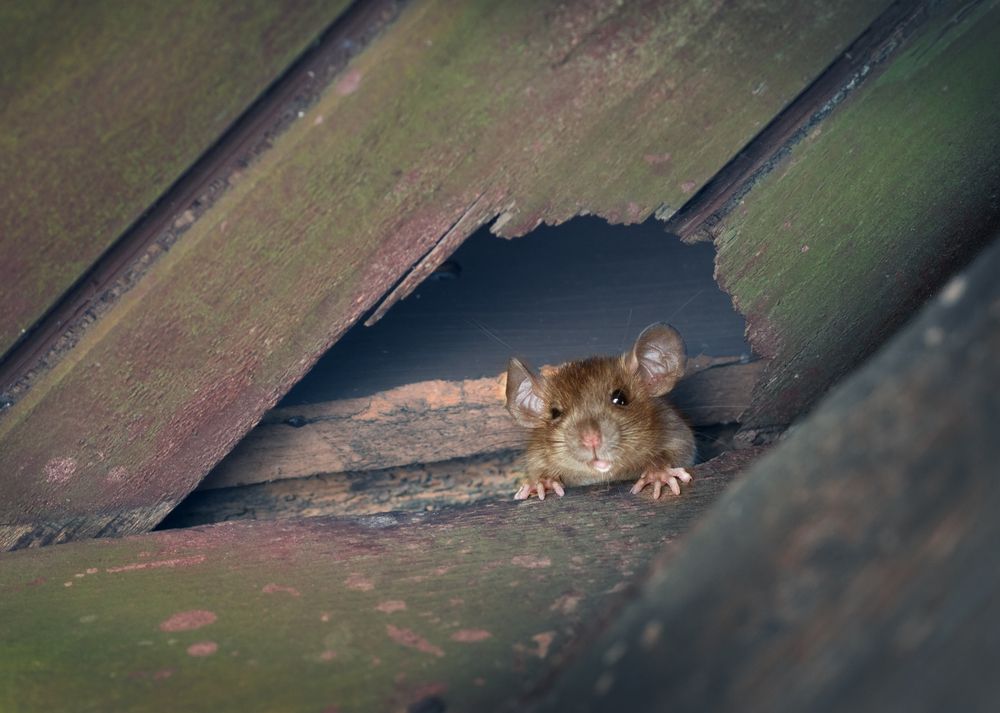
Rodents enter through gaps as small as a quarter-inch for mice and half-inch for rats, exploiting foundation cracks, gaps around pipes and wires, roof eave openings, and door sweeps that no longer seal tightly. Exclusion material selection matters because rodents gnaw through spray foam, caulk, and thin metal, requiring steel mesh, heavy-gauge flashing, or cement patching at vulnerable points.
After exclusion completes, you no longer hear scratching in walls or ceilings during night hours, and droppings stop appearing in cabinets, drawers, and storage areas. Entry points around plumbing penetrations under sinks and behind appliances are sealed with materials that remain effective through seasonal temperature changes, and attic vents are screened to block roof-level entry without reducing ventilation.
Trapping alone removes current rodents but does not prevent new animals from entering through the same pathways during the next cold snap, which is why exclusion-focused operators reduce repeat infestations compared to trapping-only services. Sanitation removes nesting materials, food debris, and urine residue that continue broadcasting attractant signals even after rodents are trapped out.
What Property Owners Usually Ask
Rodent control concerns in Waterloo frequently involve how long trapping takes, what exclusion covers, and how to prevent recurrence. These answers clarify the process.
How long does trapping take to eliminate the population?
Trapping duration depends on infestation size and rodent species, with mouse populations typically controlled within one to two weeks and rat infestations requiring two to four weeks of monitoring and trap adjustment as activity decreases.
What materials are used for exclusion work?
Exclusion uses steel mesh, heavy-gauge metal flashing, cement patching, and door sweeps at gaps rodents can chew through, while caulk and spray foam alone fail because rodents gnaw through soft materials to re-open entry points.
What areas are inspected for entry points?
Inspection covers foundation perimeters, utility penetrations for plumbing and electrical, roof eaves and fascia, attic vents, garage door seals, and gaps around exterior doors where weatherstripping has deteriorated.
Why do rodent problems return after trapping?
Trapping removes current rodents but leaves entry points open for new animals to colonize during fall and winter temperature drops in Waterloo, which is why exclusion prevents seasonal re-infestation that restarts the problem within months.
What happens to odors from rodents that died inside walls?
Sanitation and removal address accessible carcasses, and odor-neutralizing treatments reduce smell from inaccessible locations until decomposition completes, typically within two to three weeks depending on temperature and ventilation.
Enviro Pest Solutions combines trapping with exclusion to eliminate current infestations and prevent seasonal re-entry. Request an inspection to map active rodent pathways and receive an exclusion plan based on entry points identified at your property.