
Detection Before Structural Damage Escalates
Termite Inspections & Treatment in Waterloo for wood-frame homes where Iowa's seasonal moisture cycles create active termite risk
Termites build mud tubes up foundation walls and into floor joists during Iowa's warm months, feeding on structural wood inside walls where damage remains invisible until support beams weaken. Iowa's wood-frame housing stock and seasonal moisture cycles create conditions where early detection prevents structural damage that costs exponentially more than treatment. Enviro Pest Solutions provides termite inspections and treatment for Waterloo-area homes, with detailed structural inspection that identifies active termite galleries, mud tubes, and damage patterns before repair costs escalate.
The inspection process locates termite activity by examining foundation walls, crawl spaces, basements, and wood-to-soil contact points where termites enter structures. Treatment approach—whether soil barrier, wood treatment, or monitoring system—is selected based on infestation type and property layout, because subterranean termites require different intervention than drywood species.
Request an inspection to assess current termite activity and identify vulnerable entry points around your foundation.
How Treatment Approach Gets Selected
Subterranean termites in Iowa enter through soil contact points at foundations, slab edges, and porch supports, building mud tubes that protect workers traveling between soil colonies and wood food sources. Treatment must either eliminate the colony or block access between soil and structure, which determines whether soil barrier application or above-ground baiting achieves elimination.
Once treatment is applied, you no longer see new mud tubes forming on foundation walls or hear hollow-sounding wood when tapping floor joists and wall studs. Active termite galleries stop expanding, and monitoring visits confirm that no new soil-to-wood pathways develop during seasonal moisture increases that typically trigger termite activity.
Soil barrier treatment creates a treated zone around the foundation perimeter that termites cannot cross without exposure, while monitoring systems use in-ground stations that detect termite feeding activity and deliver elimination bait back to the colony. The choice depends on soil type, foundation construction, and whether active infestation requires immediate knockdown or long-term monitoring provides adequate protection for your property conditions.
Answers to Frequent Service Questions
Termite concerns in Waterloo often involve inspection scope, treatment options, and how to recognize early warning signs. These responses clarify what the service includes.
What does a termite inspection examine?
The inspection covers foundation walls, crawl spaces, basements, attics, and all wood-to-soil contact points, looking for mud tubes, damaged wood, discarded wings, and frass that indicate active or previous termite presence.
How does soil barrier treatment work?
Soil barrier application creates a treated zone in the soil around your foundation perimeter and beneath slab edges, forcing termites to pass through treated soil when traveling between their colony and your structure, which eliminates workers before they reach wood.
What are the early signs of termite activity?
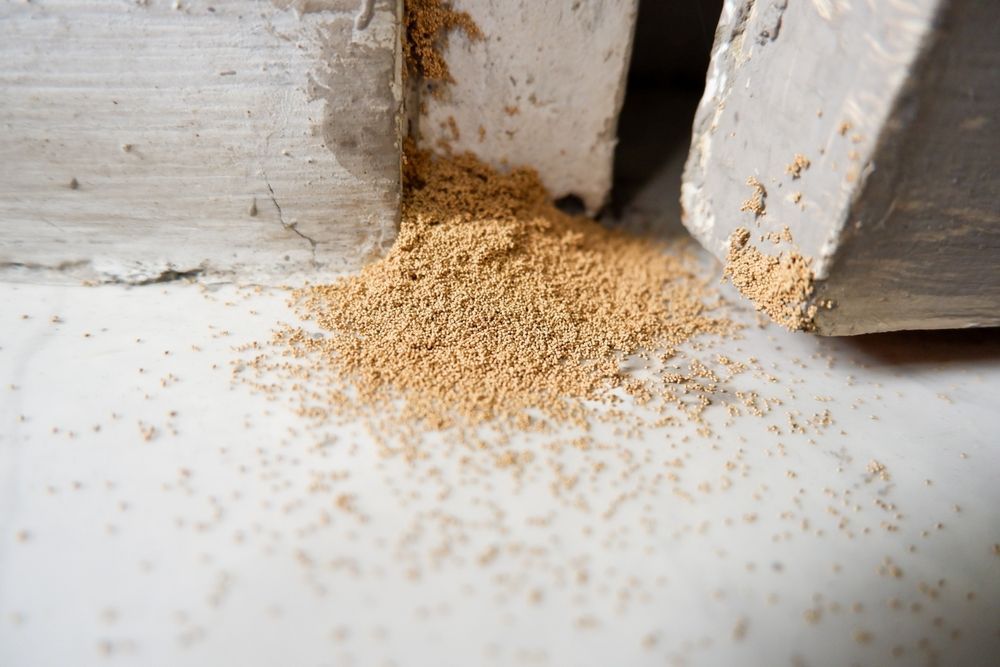
Mud tubes on foundation walls, hollow-sounding wood when tapped, discarded termite wings near windows in spring, and small piles of wood-colored frass near baseboards indicate active feeding or recent swarming activity.
When should I schedule an inspection?
Iowa homeowners should inspect before seasonal moisture increases in spring and fall when termite activity peaks, and always before property purchase to identify existing damage or active infestations that affect structural integrity.
What happens if termites return after treatment?
Treatment protocols typically include monitoring or warranty provisions that cover re-treatment if termites breach the barrier or if colony elimination is incomplete, with follow-up inspections confirming protection remains effective.
Enviro Pest Solutions identifies active termite galleries and selects treatment based on infestation type and your property's foundation construction. Schedule a structural inspection to determine current termite risk and receive treatment recommendations specific to your home's vulnerability points.